



Table of Contents
Sash windows have been an iconic feature of British houses for centuries, but not all sash windows look or perform the same way. When deciding on a window’s style, homeowners generally assume it’s simply a matter of personal preference. Still, the time of year, design, and method of construction all influence how a window will fit into a home. If you are aware of these differences, it becomes quicker to select windows that are truly suitable for your property, whether that’s a period terrace or a modern house with timber sash windows.
This guide compares traditional and modern styles side by side, covering appearance, performance, and practical considerations to help you make the right choice.
What are timber sash windows?
Timber sash windows are windows constructed from wood which slide vertically, either one or both sashes, up and down on a sash rail. These sashes are arranged in vertical sash grooves and attached to hidden counterweights that pass over pulleys to balance the opening window.
The frame is solid wood, while the glazing is formed into pane sections by glazing bars, which vary by type and style. In the last stage, draught seals, sash locks, and lifts are all completed, and that’s how you get the finished, functional look of the window.
Traditional timber sash window styles
Traditional sash windows are generally identified by the period of their origin, and each type has unique proportions and detailing.
- Georgian timber sash windows Georgian sash windows are known for their many small panes, usually arranged in a six-over-six grid, which creates a symmetrical, Georgian-style look.
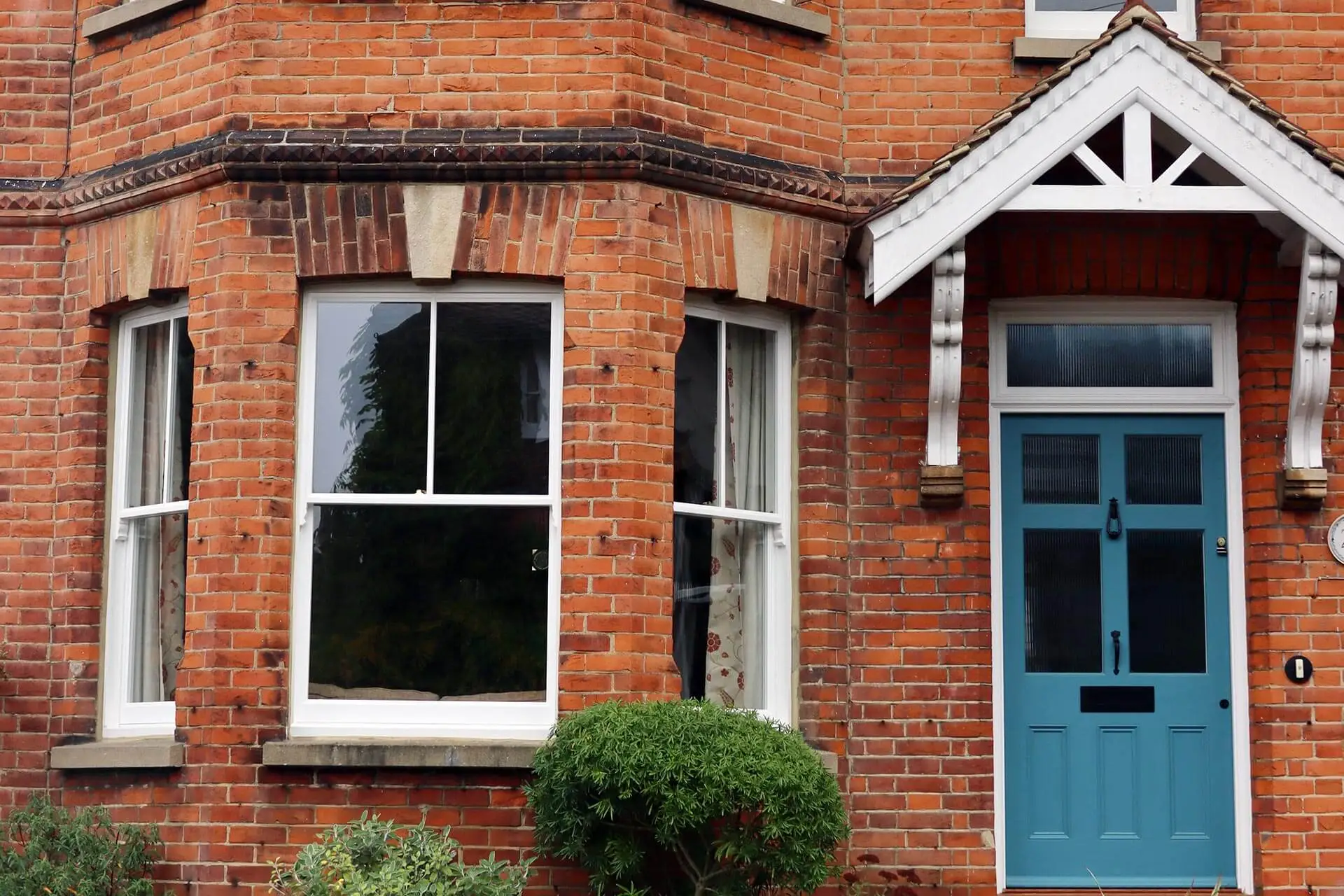
- Victorian timber sash windows Victorian sash windows often feature a two-over-two pane arrangement, with slightly larger glass panes than Georgian designs, reflecting advances in glass manufacturing at the time.
- Edwardian timber sash windows Edwardian sash windows feature a decorative upper sash and a single large bottom pane, creating a balance between style and functionality.
- Yorkshire sliding sash windows Yorkshire sash windows open horizontally, reflecting a traditional preference for a simpler, more compact design in the region.
- Best properties for traditional styles For period and listed properties, traditional styles are ideal because matching the original style helps to maintain character and can assist with the conservation requirements.
Modern timber sash window styles
Modern timber sash windows retain the traditional sliding system but feature more modern materials, narrower sash lines and improved glazing. They can be used in both period remodels and new construction that aim to achieve a traditional aesthetic while maintaining modern efficiency.
Modern timber sliding sash windows instantly become a focal feature of the property and are worth the investment, adding charm, character, and kerb appeal.
Traditional vs modern timber sash windows
Both are essentially the same in function but differ in appearance, construction, materials, and performance.
- Design and appearance The traditional windows have several glazing bars and are proportioned accurately for the period. At the same time, the newer windows have slimmer sightlines and less complicated designs.
- Materials and craftsmanship Traditional windows are made from solid timber and traditional joinery. At the same time, modern windows are often made from engineered timber to provide greater stability.
- Energy efficiency Traditionally, the sashes were single-glazed, but now they are usually double-glazed.
- Security features Traditional designs use simple catches, whereas modern windows have multi-point locking systems.
- Maintenance requirements Both windows require timely repainting, but in comparison, modern windows are more resistant to the weather.
- Lifespan and durability If both are treated properly, they perform well for generations, and even longer with modern treatments.
Customisation options for timber sash windows
Many homeowners opt for bespoke timber sash windows rather than standard sizes, to fit specific dimensions, a particular pattern of glazing bars, or ironmongery finishes.
Glazing options such as bar layouts, timber species, and paint or stain colours enhance customisation, as do hardware like sash lifts and catches, available in traditional or contemporary finishes. Homeowners can also request the specific types of horns, decorative mouldings, and glazing that match the property’s original character or provide a more modern look. This flexibility allows windows to be fitted in non-standard openings without compromising the proportions and detailing of the rest of the property.
Installation considerations
Proper installation of timber sash windows includes measuring, planning and validating the completed work.
- Measuring and property assessment A site survey provides accuracy for the window manufacturing process, eliminating gaps or fit problems later.
- Professional installation process The installation process generally involves removing the extra frame and preparing and securing the new window.
- Planning permission and conservation rules Replacing sash windows in conservation or listed areas may require a permit, and this should be checked early.
Cost comparison: Traditional vs modern timber sash windows
The cost difference usually depends on the specific size, glazing, materials, and customisation, rather than solely on the style.
| Factor | Traditional timber sash windows | Modern timber sash windows |
| Glazing | Often single glazed unless upgraded | Generally double glazed as standard |
| Materials | Solid timber, classic joinery | Engineered timber, precise manufacturing |
| Customisation | Period-accurate detailing adds cost | Streamlined production can be more cost-effective |
| Security hardware | Basic fittings | Multi-point locking systems may add cost |
| Long-term value | Strong for period property value | Strong for energy efficiency savings |
Common mistakes when choosing timber sash windows
- Selecting a style that is inappropriate for the property’s period or architecture.
- Considering glazing choices that impact the long-term energy efficiency performance.
- Failure to check conservation area rules before ordering.
- Only looking at the initial appearance and not the long-term maintenance
Conclusion
Choosing between traditional and modern timber sash windows is a decision that needs to be made to match your property’s character. It involves selecting the appropriate style of wood sash window to suit your practical requirements from a trusted windows company.
SJB Sash Windows has a long history of creating period and modern sash windows, ensuring homeowners have a choice and that quality is maintained. They also understand traditional joinery methods and their performance characteristics, which allows them to help homeowners choose a style that will last for years. For more details or service, contact the team today and get a free quote.
Frequently asked questions