



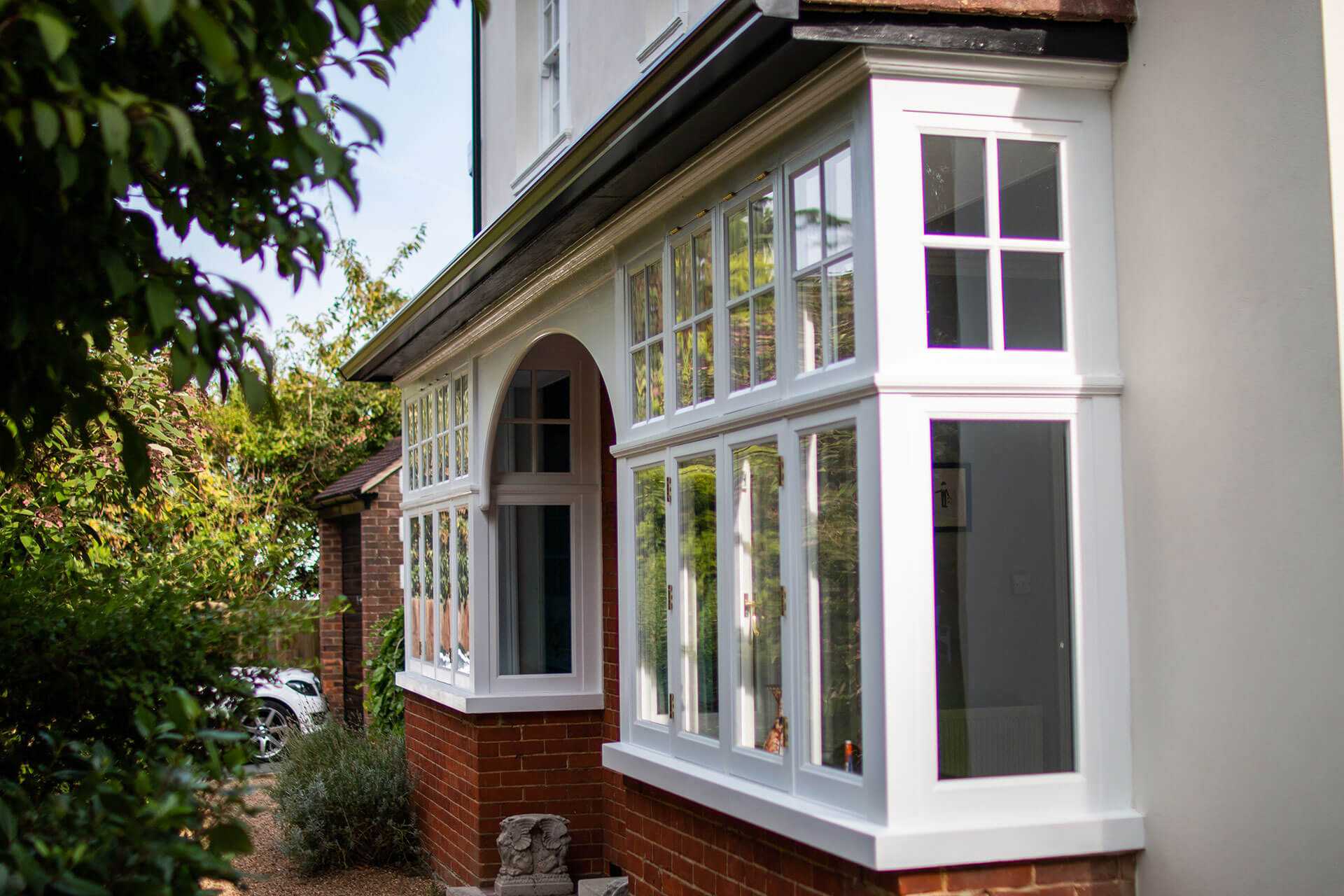
The right sash windows for a period property are a decision that balances aesthetics, performance, and cost. In 2026, uPVC sash windows are the most considered among the three. They have the standard vertical sliding look that period streetscapes demand, but do not have the maintenance demands or price premium of timber.
uPVC sash windows have various styles, finishes, and glazing specifications, and each option has a corresponding cost implication. Understanding those variables helps you budget correctly, compare quotes on equal terms, and choose a product that would really suit your property in 2026. Here’s a guide that discusses the price breakdown of uPVC sash windows.
Why uPVC sash windows are priced differently from standard windows
A sash window is considerably more complex than a standard casement. Where a casement hinges open on a simple mechanism, uPVC sash windows are based on a highly engineered sliding system in a box frame, and it is this design that makes them cost more than a basic window replacement.
The mechanism itself, whether spring-balanced or pulley-driven, needs skilled manufacture and proper installation. uPVC sliding sash windows specifically have to be adjusted to move freely without binding the sash, which requires a higher level of precision than most other types of windows. This is why the upvc sash window price is always higher than the standard casement price.
What actually drives the price of uPVC sash windows
Many factors affect the final cost of uPVC sash windows, and it would be very useful to know what each variable includes when comparing quotes.
1. Size and specification
A larger window will require more uPVC material, heavier glazing units, and will take longer to install. All of these factors directly impact the cost, which is why oversized or non-standard openings carry a clear premium over stock dimensions.
2. Glazing type
Double glazing is the standard baseline. Upgrading to triple glazing adds weight to the unit, complicates the frame, and extends installation time, which pushes the price up.
3. Frame finish and colour
White uPVC is the most simple finish to make. Wood-effect upvc sash windows and upvc victorian sash windows in heritage colours will require additional manufacturing processes, which will push up the per-unit cost of the product.
4. Location and labour
The labour rates in London and the South East are higher than the rest of the country. Installation on the upper floor will increase the complexity of the installation, as reflected in the final quote.
Which uPVC sash window style is right for your property
The type of uPVC sash window you choose directly affects the cost. Here’s how:
1. uPVC double hung sash windows
uPVC double-hung sash windows allow both the upper and lower sashes to open separately, improving control over ventilation. This added mechanism is thus more expensive than a single-hung alternative.
2. Flush casement upvc windows
Flush casement upvc windows are a refined type of window. In this, the sash seamlessly fits into the frame, giving the window a clean, flat appearance. It is especially effective with new constructions and flat-fronted properties.
3. Mock sash windows upvc
Mock sash windows upvc imitate the look of a traditional sash window but do not have a sliding mechanism, and are therefore the cheapest of all in the range.
4. Heritage windows upvc
Heritage windows upvc are designed to be a close replica of the profile and detailing of original timber sash windows, with a slight premium charged for the more faithful period’s aesthetic they deliver.
How replacing multiple windows affects the overall cost
Replacing multiple windows in a single visit works in the homeowner’s favour in terms of cost. Installers add travel and setup time across the project rather than per window, which makes the per-unit price more favourable the more windows are fitted at once.
Replacing all windows at once also avoids the visual inconsistency of mixing old and new frames at the same elevation. For uPVC sash windows specifically, consistent frame profiles and glazing specifications across a property produce a far more cohesive result than sporadic window replacements over time.
The long-term cost of owning uPVC sash windows
Once fitted, uPVC sash windows have very minimal maintenance costs.
1. Minimal routine maintenance
It is neither repainted nor revarnished, and needs no protection from rot or weather. Regular cleaning is usually all the general maintenance they require, reducing annual maintenance costs.
2. uPVC sash window spring replacement
The only area that might require repair is the balance spring mechanism. With time, springs may become weak or break, resulting in the sash no longer sliding as easily or dropping rather than holding its position. uPVC sash window spring replacement is a quick fix performed by a specialist without replacing the entire window.
Conclusion
Understanding uPVC sash windows cost is less about finding a single figure and more about knowing which variables apply to your property and your specification. Size, glazing, finish, style, location, and the number of windows being replaced are all added into the final price, and a quote that does not account for these factors properly is one worth questioning.
For a project like this, the quality of the outcome depends just as much on who you work with as on the windows themselves. SJB Sash Windows is a London-based specialist with a longstanding reputation for supplying and installing uPVC sash windows and timber alternatives for period properties. The same standard of care and craftsmanship goes into every project it undertakes.